
Joela McClean
Te Pou Whānau | Pou Whitiora
Te Pou Whānau supports whānau affected by methamphetamine use and helps ensure whānau voice shapes Te Puarangi through whānau-centred engagement, support, and programmes.
The role builds trusting relationships with whānau and strengthens connections with people, services, hapū, iwi, and community partners. It supports access to tailored resources and promotes a strengths-based, non-judgemental approach to recovery.
It also provides a listening ear, creates space for support and connection, and helps whānau access resources, activities, and tools aligned with their needs and aspirations.
Encourages healthy choices and helps tailor activities to whānau needs. Supports whānau hui, marae events, and community forums to strengthen engagement. Helps whānau access health, iwi, social, and community services.

Tracey Busby
Te Pou Oranga | Holistic Care
Ko Herangi te maunga
Ko Mokau te awa
Ko Tainui te waka
Ko Ngati Maniapoto te iwi
Ko Ngati Waiora te hapu
Ko Tracey Busby toku ingoa
I am a Nurse and Pou Hauora with over six years of experience working alongside whānau in the Māori health sector. I am incredibly passionate about nursing and feel privileged to be able to support people through some of the most challenging times in their lives.
My nursing approach is grounded in creating trust, and helping whānau feel supported, heard, and empowered. I enjoy working alongside whānau to identify their strengths, navigate barriers, and access the support they need to achieve the goals that matter most to them.
One of the things I am most passionate about is education. I firmly believe that knowledge is one of our greatest prevention tools. When whānau have access to information that is easy to understand and relevant to their lives, they are better equipped to make informed decisions for themselves and their tamariki. Whether it is supporting someone to better understand their health, navigate services, or make positive lifestyle changes, I love being able to share knowledge in a way that feels practical, meaningful, and empowering.
Outside of work, I am a proud māmā, and my whānau are at the centre of everything I do. This continues to shape my approach to nursing and reinforces my commitment to supporting healthier futures for Muriwhenua.

Teina Piripi
Arataki Hauora | Indigenous Practice Facilitator. DAPAANZ Accredited AOD Practitioner & Counsellor.
Arataki Hauora | Indigenous Practice Facilitator strengthens Indigenous AOD leadership within Te Puarangi through kaupapa Māori, trauma-informed practice, whānau support, and Māori workforce development.
Tukua te kōrero, awhina, and Arataki Indigenous practice. Hono whānau kia ora ai te haerenga. Tiaki kaupapa through counselling, supervision, and Tū Māori Mai. Provides harm reduction support, assessment, recovery planning, referrals, and cross-agency coordination for people and whānau affected by methamphetamine use.
Leads decolonising and re-indigenising practice, builds kaimahi capability, and strengthens the Māori addiction workforce.

Read Tahere
Pou Whitiora | Tāne Ora
Pou Whitiora | Tāne Ora supports tāne and whānau affected by methamphetamine use, with a focus on wellbeing, whanaungatanga, identity, and reconnection to culture. The role provides practical support that helps tāne reduce harm, strengthen recovery pathways, and access the health, social, and community services they need. It works in a strengths-based, non-judgemental, and culturally grounded way, supporting tāne to build confidence, restore relationships, and reconnect with kaupapa that strengthen belonging and purpose. The role also links tāne into relevant local initiatives and programmes, helping create safe pathways for healing, support, and long-term wellbeing.

Dr Vicki Macfarlane
Arataki Hauora | Addiction Medicine Specialist
Ko Te Arawa te waka
Ko Ngongotahā te maunga
Ko Rotorua -nui-a Kahu-matamomoe te moana
Ko Ngāti Rangiwewehi, Ngāti Whakaue, Ngāti Pikiao ngā hapū.
Ko Vicki Frances Haeata Macfarlane toku ingoa
FRNZCGP, FAChAM
I am an addiction medicine specialist with a GP background and one of only two Māori addiction specialists in Aotearoa. I have worked in a specialist addiction service in Tāmaki Makaurau for over 15 years and have extensive experience in all aspects of addiction medicine.
I have come to work with Te Puarangi because I want my experience and expertise to be available to whanau affected by methamphetamine in Muriwhenua.
The practice of addiction medicine embraces three components: a clinical perspective, a public health approach and an advisory role to practitioners in primary and secondary care.
My role within Te Puarangi includes:
-
Prescribing evidence-based medications to support people to reduce methamphetamine use or prevent relapse following a period of abstinence.
-
Providing medical support and management for methamphetamine withdrawal.
-
Assessing and managing co-existing physical health conditions, including:
-
High blood pressure, heart disease, stroke, and kidney disease associated with methamphetamine use.
-
Screening and treatment for blood-borne viruses, including Hepatitis C.
-
Screening and treatment for sexually transmitted infections.
-
Supporting the implementation of harm reduction interventions.
-
Assessing and managing mild to moderate mental health conditions that commonly occur alongside methamphetamine use.
-
Liaising with primary healthcare providers and hospital specialists to ensure coordinated care.
-
Providing guidance and support to primary and secondary healthcare services regarding the management of methamphetamine-related health issues.
-
Advocating for whānau as they navigate the healthcare system.
I am looking forward to working alongside the Te Puarangi methamphetamine harm reduction team to provide holistic, whānau-centred care grounded in Te Ao Māori.

Dr Hinemoa Elder
Kaiārahi Oranga Hinengaro
Te Aupōuri, Te Rarawa, Ngāti Kurī, Ngāi Takoto, Ngāpuhi nui tonu.
FRANZCP, PhD, MNZM
Being a psychiatrist in Te Puarangi means bringing all of myself, resources from my whakapapa, my life experience and medical skills to the service of those affected by methamphetamine to work on reducing those harms.
Collaborating with whānau, listening carefully to understand the underlying mental health issues and intergenerational trauma which may have contributed to their relationship with meth is at the heart of my mahi.
Working as part of our multidisciplinary methamphetamine harm reduction team is central.
From that context I can offer ways of thinking about what whānau are experiencing from both from Te Ao Māori and psychiatric perspectives. This might include diagnosis and treatment of co-occurring mental health conditions, prescribing medications, and contributing to holistic treatment plans that are co-designed with whānau on their recovery journey.
Within Te Puarangi, our holistic harm reduction team, some of my key responsibilities include:
-
Dual Diagnosis Assessment: understanding how methamphetamine use interacts with underlying mental health disorders (e.g., psychosis, depression, anxiety, or trauma) and ongoing discussion about how these experiences can be reduced and worsened to establish practical approaches to wellbeing.
-
Psychopharmacological Management: Prescribing and monitoring medications to safely treat psychiatric symptoms, alleviate withdrawal distress, and assist with cravings.
-
Harm Reduction Advocacy: Operating within a non-judgmental, whānau-centred and collaborative team approach that focuses on overall well-being, rather than requiring immediate abstinence to access care.
-
Trauma-Informed Care: Recognising that whānau histories of multi layered trauma impact on healing, which means that building a trusting connection with whānau is vital.

Mereana Pou
Poutiaki
Poutiaki provides cultural leadership, guidance, and protection for the kaupapa, helping ensure Te Puarangi is grounded in mātauranga Māori, tikanga, and whānau-centred practice. The role supports cultural safety, strengthens alignment with the programme’s strategic direction, and provides facilitation, teaching, mentoring, and practice support to kaimahi. It also helps lead and support wānanga development and delivery, including guidance in te reo, tikanga, karakia, waiata, and kaupapa Māori approaches. The role is relational and steadying, helping hold the mana of the kaupapa, support whanaungatanga, and provide practical awhi and cultural guidance across the programme.
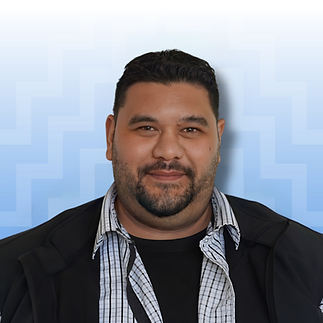
Gavin Te Pania
Whānau Ora / wellness health navigator
A Wellness Health Navigator / Whānau Ora Navigator supports whaiora and whānau to access the right care, services, and support. The role helps people understand their options, navigate health and social services, and connect with the resources they need. It includes advocacy, helping with referrals to internal and external services, supporting participation in FGCs, and strengthening connections between whaiora and whānau. The role is practical, relational, and whānau-centred, helping remove barriers to care and supporting people to move toward better wellbeing.

Vanessa Kite
& Colleagues
Rakau Ora
Rakau Ora is a low-barrier, community-based peer support service for people and whānau in Muriwhenua. They are subcontracted to work with Te Puarangi, in providing peer support to those the team will support who are affected by methamphetamine use. Rakau Ora will provide lived-experience support, wellbeing planning, advocacy, and navigation, aligned with Te Puarangi and grounded in trauma-informed, culturally safe, recovery-focused practice.