

Effects of Meth use
You are not alone.
If meth is affecting you or someone you love, support is available.There is no judgement in this space.
Understanding
Meth Harm
Meth can affect people, whānau, and communities in different ways. Not everyone’s experience is the same.
These impacts can build over time, especially without support.
Understanding the harm helps us respond with compassion rather than judgement.
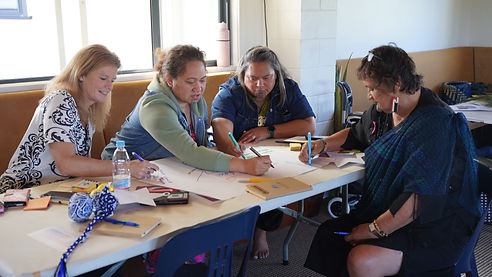
Effects of Methamphetamine use
Methamphetamine is a stimulant drug with one of the immediate desired effects being an intense feeling of euphoria, which can last for many hours.
People who use it look for the quick ‘high’ and immediate effects which include intense pleasure and clarity.
Some immediate effects of meth use include feelings of alertness, motivation, and self-confidence.
These feelings of pleasure and euphoria lead to continued use which can have negative effects and lead to addiction.
The following table identifies core short and long term effects of meth.
Short Term Effects
-
Intense happiness, pleasure, and alertness & energy.
-
Physical changes – irregular / fast heartbeat, increased blood pressure, increased body temperature, decreased appetite, weight loss.
-
Hyperactivity, increased libido, violent outbursts, confusion, anxiety & serious mental health issues.
-
Note: CRASH – Users experience severe fatigue, prolonged sleep, depression & irritability
Long Term Effects
-
Brain structure changes, cognitive deficits, memory loss, reduced motor speed, impaired learning/ mental capacity, reduced capacity for pleasure.
-
Psychosis – mental health – hallucinations.
-
Physical deterioration – Dental decay, extreme weight loss, malnutrition, skin sores.
-
Heart Damage – High blood pressure, damaged blood vessels, increased risk of heart attack/ stroke.
-
Note: Dependence & Withdrawal: High tolerance is formed requiring more of the drug to feel normal. Withdrawal includes intense cravings, depression, and fatigue
How to support
whānau and friends
Supporting someone affected by meth use can be challenging.
Ways to support whānau include:
-
Listening without judgement and keeping communication open
-
Focusing on safety, care, and connection rather than control
-
Learning about meth harm and available support options
-
Looking after your own wellbeing and boundaries
You don’t have to fix everything on your own.Support is available for whānau too.
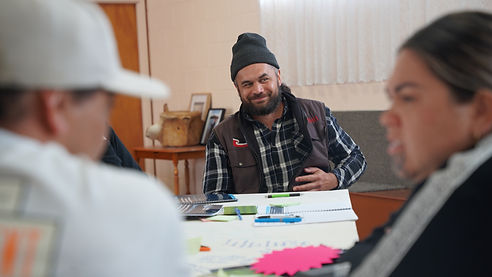
Harm Reduction Guidance
Harm reduction is about reducing risk and keeping people as safe as possible, even when change feels hard.
Harm reduction focuses on:
-
Practical steps that reduce immediate harm
-
Supporting safer choices where possible
-
Encouraging gradual change, not perfection
-
Connecting people to support when they are ready
Harm reduction meets people where they are and recognises that every step toward safety matters.
